
2MG
This product is for research purposes only. Not for human consumption.
Purity: >98% (HPLC verified)
Formulation: Lyophilized powder
Molecular Formula: C78H123N23O22S2
Molecular Weight: 1815.1 g/mol
CAS Number: 66004-57-7
PubChem CID: 16131230
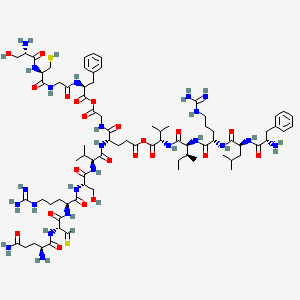
HGH Fragment 176-191
Overview
HGH Fragment 176-191, also known as AOD9604 (Advanced Obesity Drug 9604), represents a targeted molecular approach to harnessing the lipolytic (fat-reducing) properties of human growth hormone while eliminating the growth-promoting, hyperglycemic, and other systemic effects that can complicate full-length growth hormone therapy.
Molecular Structure
This synthetic peptide fragment consists of a modified version of amino acids 176-191 from the C-terminal region of the 191-amino acid human growth hormone molecule, a region that was identified through systematic research as being responsible for GH's fat metabolism effects independent of its growth-promoting activities mediated by the N-terminal receptor-binding domain.
Functional Dissociation
The development of HGH Fragment 176-191 was based on the observation that different regions of the growth hormone molecule possess distinct biological activities - while the N-terminal portion binds to growth hormone receptors and triggers IGF-1 production with associated anabolic effects on muscle, bone, and other tissues, the C-terminal region appears to regulate adipose tissue metabolism through alternative pathways that do not require GH receptor activation.
This functional dissociation provided the rationale for isolating the lipolytic fragment as a potential obesity treatment that could provide metabolic benefits without the diabetogenic effects, acromegaly-like symptoms, or cancer growth concerns associated with chronic GH elevation.
Development History
HGH Fragment 176-191 was extensively developed by Metabolic Pharmaceuticals in Australia through the 1990s and 2000s, progressing through preclinical studies and human clinical trials that demonstrated consistent fat-reducing effects with a favorable safety profile compared to full-length growth hormone.
Key Effects
The peptide has been shown in multiple studies to stimulate lipolysis in adipose tissue, inhibit lipogenesis (the synthesis of new fat from dietary nutrients), reduce body fat mass particularly visceral adiposity, and improve body composition without affecting lean muscle mass, bone density, or longitudinal growth - confirming the absence of GH receptor-mediated anabolic effects.
Unlike full-length GH which causes insulin resistance and can precipitate or worsen diabetes through its anti-insulin effects, HGH Fragment 176-191 does not appear to significantly affect glucose metabolism or insulin sensitivity, and some studies have suggested neutral or potentially beneficial effects on metabolic parameters.
Mechanism of Action
HGH Fragment 176-191 exerts its fat-reducing effects through mechanisms that remain incompletely characterized at the molecular level but clearly involve selective activation of lipolytic pathways in adipose tissue without engaging the classical growth hormone receptor signaling.
β3-Adrenergic Receptor Activation
The prevailing mechanistic model suggests that HGH Fragment 176-191 acts primarily through activation of β3-adrenergic receptors on adipocytes - these are G-protein coupled receptors that are particularly abundant in adipose tissue (especially brown and beige fat) and serve as key regulators of lipolysis and energy expenditure.
β3-adrenergic receptors couple to Gs proteins, and their activation stimulates adenylyl cyclase to increase intracellular cyclic AMP (cAMP) levels. Elevated cAMP activates protein kinase A (PKA), which in turn phosphorylates and activates hormone-sensitive lipase (HSL), adipose triglyceride lipase (ATGL), and other lipases that catalyze the sequential hydrolysis of triglycerides stored in lipid droplets into free fatty acids and glycerol.
Lipolytic Cascade
This lipolytic cascade results in mobilization of stored fat, with free fatty acids being released into circulation where they can be taken up by muscle, liver, and other tissues for oxidation as an energy source.
The mechanism by which the HGH Fragment 176-191 peptide activates β3-adrenergic receptors is not fully elucidated - the fragment does not have obvious structural similarity to catecholamines (the natural β-adrenergic receptor ligands), so it may act as an allosteric modulator, may enhance receptor sensitivity to endogenous catecholamines, or may work through an intermediate signaling molecule.
Anti-Lipogenic Effects
Beyond stimulating fat breakdown, HGH Fragment 176-191 has been shown to inhibit lipogenesis - the synthesis of new fatty acids from glucose and other precursors and their incorporation into triglycerides for storage. By simultaneously increasing the rate of fat breakdown while decreasing the rate of new fat formation, the fragment creates a net catabolic effect on adipose tissue stores.
Tissue Selectivity
These metabolic effects appear to be largely specific to adipose tissue - the fragment does not significantly stimulate protein synthesis in muscle, does not promote bone growth or longitudinal skeletal growth, and does not affect IGF-1 production, all of which are hallmarks of growth hormone receptor activation.
The fragment also appears to have minimal effects on glucose metabolism and insulin sensitivity, contrasting sharply with full-length growth hormone which is strongly diabetogenic due to its insulin-antagonistic effects at the liver and peripheral tissues. Some studies have even suggested HGH Fragment 176-191 may improve insulin sensitivity, possibly through reduction of visceral adiposity.
Research Findings
The research history of HGH Fragment 176-191 spans multiple phases of preclinical development, human clinical trials, and ongoing experimental use, with compiled evidence demonstrating consistent fat-reducing activity and favorable safety compared to full-length growth hormone.
Early Structure-Function Studies
Early structure-function studies in the 1990s by researchers at Monash University and Metabolic Pharmaceuticals systematically evaluated different regions and fragments of the growth hormone molecule to identify sequences responsible for specific biological activities, discovering that the C-terminal region (amino acids 176-191) possessed lipolytic activity when modified and tested in isolation.
Further optimization led to AOD9604, a stabilized and enhanced version of the 176-191 sequence with improved potency and pharmacokinetic properties.
Preclinical Studies
Preclinical studies in rodent obesity models provided foundational efficacy and safety data: Obese mice treated with HGH Fragment 176-191 showed significant reductions in body weight and fat mass without changes in food intake, indicating metabolic rather than appetite-mediated effects. Detailed body composition analysis using DEXA scanning confirmed that weight loss was specifically from fat mass while lean mass was preserved.
Metabolic studies demonstrated increased lipolytic rates in isolated adipocytes and elevated circulating free fatty acid levels in treated animals. Importantly, glucose tolerance tests and insulin sensitivity measures showed either no change or modest improvements, contrasting with the insulin resistance caused by GH treatment.
Human Clinical Trials
A Phase IIa clinical trial published by Heffernan et al. evaluated HGH Fragment 176-191 in overweight and obese subjects in a randomized, double-blind, placebo-controlled design comparing various doses administered subcutaneously daily over 12 weeks. Results demonstrated statistically significant dose-dependent reductions in body weight and body fat percentage in treatment groups compared to placebo, with the highest dose (1 mg/day) producing average fat mass reductions of approximately 2.6 kg greater than placebo.
The treatment was well-tolerated with no significant adverse effects on glucose metabolism, insulin levels, IGF-1 levels, or other safety parameters.
Phase IIb Trial Results
A larger Phase IIb multicenter trial involving over 500 overweight and obese participants further evaluated safety and efficacy across multiple dose levels over 12-24 weeks. While this trial demonstrated biological activity and continued to show favorable safety, the primary efficacy endpoint of statistically significant and clinically meaningful weight reduction compared to placebo was not as robustly achieved across all dose cohorts as hoped.
Research Applications
- Obesity and weight management research
- Fat metabolism and lipolysis studies
- Body composition optimization research
- Metabolic disorder and syndrome studies
- Visceral adiposity and ectopic fat research
- Cardiovascular risk factor studies
- β3-adrenergic receptor research
- Growth hormone fragment biology studies
- Insulin sensitivity and glucose metabolism research
- Targeted fat reduction without systemic effects research
Safety Profile
HGH Fragment 176-191 has demonstrated favorable safety profiles across preclinical animal studies and human clinical trials, with compiled safety data indicating significantly fewer and less severe adverse effects compared to full-length growth hormone therapy.
Targeted Mechanism Advantages
The fragment's targeted mechanism - affecting fat metabolism without activating growth hormone receptors or elevating IGF-1 - translates to avoidance of many GH-associated side effects that limit tolerability and safety of GH therapy.
Common Side Effects
In controlled clinical trials involving hundreds of participants receiving HGH Fragment 176-191 for periods up to 24 weeks, the most commonly reported adverse effects were mild and primarily limited to injection site reactions including transient redness, mild discomfort at subcutaneous injection sites, and occasional small nodules, which are typical for peptide injections.
Absence of GH-Related Side Effects
Unlike full-length GH which commonly causes fluid retention, peripheral edema, carpal tunnel syndrome, and joint pain due to its effects on sodium retention and connective tissue proliferation, HGH Fragment 176-191 trials did not show increased rates of these effects compared to placebo.
Metabolic Safety
Critically, glucose metabolism and insulin sensitivity remained stable or showed modest improvements in treatment groups, contrasting sharply with the insulin resistance and hyperglycemia that represent major concerns with GH therapy. This differential effect on glucose metabolism is a key safety advantage and expands the potential population who could safely use the fragment.
IGF-1 levels, which rise significantly with GH therapy and raise theoretical cancer growth concerns, were not elevated by HGH Fragment 176-191, eliminating this safety concern. Blood pressure, heart rate, and electrocardiogram parameters remained stable, indicating cardiovascular safety.
Long-Term Considerations
Long-term safety data beyond 24 weeks is limited from formal trials, though anecdotal use in bodybuilding and research contexts over longer periods has not revealed patterns of serious adverse effects. Cancer risk appears minimal given its lack of IGF-1 elevation and absence of mitogenic signaling. Overall, the safety profile supports HGH Fragment 176-191 as a well-tolerated intervention for body fat reduction with substantially lower risk than full-length growth hormone therapy.
Scientific References
Customer Reviews
No reviews yet. Be the first to review this product!
Please sign in to write a review.
Research Use Only
This product is intended for research purposes only and is not for human consumption, therapeutic use, or diagnostic applications. Please ensure compliance with all applicable regulations and institutional guidelines.