
10MG
Buy 3+ for $47.50 each and save 5%
Buy 5+ for $45.00 each and save 10%
Buy 10+ for $42.50 each and save 15%
This product is for research purposes only. Not for human consumption.
Purity: >98% (HPLC verified)
Formulation: Lyophilized powder
Molecular Formula: C50H69N15O9
Molecular Weight: 1024.2 g/mol
CAS Number: 121062-08-6
PubChem CID: 16132341
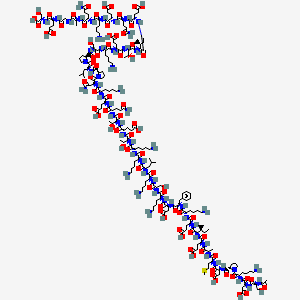
Melanotan-II (MT-2)
Overview
Melanotan II (MT-2) is a synthetic cyclic heptapeptide analog of alpha-melanocyte stimulating hormone (α-MSH), first synthesized at the University of Arizona. The peptide has the sequence Ac-Nle-cyclo[Asp-His-D-Phe-Arg-Trp-Lys]-NH2. It incorporates a lactam bridge that contributes to its metabolic stability and receptor affinity relative to native α-MSH.
Melanotan II is a non-selective agonist at melanocortin receptors MC1R through MC5R. These receptors are involved in various signaling pathways, including those related to pigmentation, central nervous system function, and energy homeostasis. The compound's activity at multiple receptor subtypes accounts for its range of biological effects observed in laboratory research.
Technical Data
- Synonyms: MT-2, MT-II, Melanotan 2, [Nle4-D-Phe7]-α-MSH (cyclic analog)
- CAS number: 121062-08-6
- Molecular formula: C50H69N15O9
- Molecular weight: ~1024.2 g/mol
- Sequence: Ac-Nle-cyclo[Asp-His-D-Phe-Arg-Trp-Lys]-NH2
- Format supplied: 10mg lyophilized powder per vial
- Assayed purity: 99%+ by HPLC
- Solubility: Soluble in bacteriostatic water for reconstitution.
Storage and Handling
- Lyophilized vials: Store at -20°C for long-term storage.
- Protect from light: Keep vials in an opaque container.
- After reconstitution: Refrigerate the solution at 2-8°C. Avoid repeated freeze-thaw cycles.
- Reconstitution: Add diluent slowly down the vial wall and swirl gently. Do not shake.
Purity Verification
Every Melanotan II lot is third-party tested and shipped with a batch-specific certificate of analysis (COA) reporting HPLC purity and mass-spectrometry identity confirmation. Reviewing analytical data is a standard practice for verifying the identity and purity of research materials.
Mechanism of Action
Melanotan II binds to melanocortin receptors, including MC1R on melanocytes. Activation of MC1R initiates a signaling cascade through G-protein coupling, increasing intracellular cAMP levels. This in turn activates protein kinase A and the transcription factor CREB, leading to increased expression of tyrosinase and other enzymes involved in melanin synthesis.
In addition to MC1R, Melanotan II acts on MC3R and MC4R in the hypothalamus, which are implicated in pathways that influence energy homeostasis and central nervous system functions. Activity at MC4R has been investigated for its role in CNS mechanisms involving oxytocin and dopamine signaling pathways.
Research Findings
Published nonclinical literature relevant to this material's molecular targets and experimental models is listed below for independent review. Findings involving other preparations or experimental systems should not be attributed to this research material.
Research Applications
- Melanogenesis research
- Melanocortin receptor pharmacology
- UV-independent melanogenesis studies
- CNS signaling pathway research
- MC1R/MC4R signaling pathway studies
- Hypothalamic receptor signaling
- Comparative studies of melanocortin analogs
- Peptide stability and laboratory handling
Laboratory Handling & Limitations
This material is supplied solely for in vitro and other nonclinical laboratory research. It is not for human or veterinary use, consumption, administration, therapeutic use, or diagnostic use.
Laboratory Handling
Handle only in an appropriately equipped laboratory using applicable institutional procedures, personal protective equipment, and the storage conditions shown for the material. The purchaser is responsible for study design, handling controls, disposal, and regulatory compliance.
Research Limitations
Published observations involving other preparations, experimental systems, or study populations do not establish the identity, performance, or suitability of this research material for any particular experiment.
Scientific References
Research Use Only
This product is intended for research purposes only and is not for human consumption, therapeutic use, or diagnostic applications. Please ensure compliance with all applicable regulations and institutional guidelines.