
10MG
Buy 3+ for $75.99 each and save 5%
Buy 5+ for $71.99 each and save 10%
Buy 10+ for $67.99 each and save 15%
This product is for research purposes only. Not for human consumption.
Purity: >98% (HPLC verified)
Formulation: Lyophilized powder
Molecular Formula: C18H34N4O4
Molecular Weight: 370.49 g/mol
CAS Number: N/A
PubChem CID: N/A
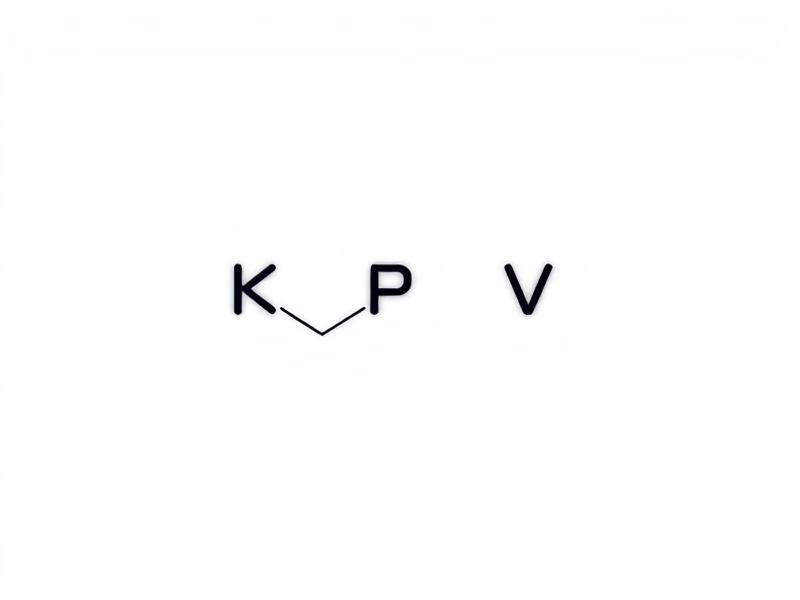
KPV
Overview
KPV is a tripeptide composed of lysine, proline, and valine (Lys-Pro-Val), corresponding to the C-terminal three residues of alpha-melanocyte-stimulating hormone (α-MSH). It is one of the smallest peptides investigated for its anti-inflammatory properties, and its brevity is central to why it is studied: the sequence retains measurable anti-inflammatory activity in research models while lacking the pigmentary and broader melanocortin receptor effects associated with the full-length hormone.
α-MSH is a 13-residue endogenous peptide with documented immunomodulatory properties. Investigators mapping which portion of that molecule relates to its anti-inflammatory activity identified the C-terminal KPV fragment as being sufficient for a substantial share of the activity.
This makes KPV a useful mechanistic tool for separating anti-inflammatory signaling from melanocortin receptor-mediated effects, which are attributable to other regions of the parent peptide.
Mechanism of Action
KPV is reported to act intracellularly rather than through a cell-surface receptor, which distinguishes it mechanistically from the melanocortin receptor agonism of its parent peptide, α-MSH. Its activity is described as depending on two sequential steps: transport into the cell, then interference with inflammatory transcriptional signaling.
PepT1-Mediated Cellular Uptake
PepT1 is a proton-coupled oligopeptide transporter that carries di- and tripeptides across the apical membrane of intestinal epithelial cells. KPV, as a tripeptide, is a substrate. PepT1 expression is reported to be low in healthy colonic epithelium but upregulated in inflamed tissue models, meaning uptake may be preferentially increased at sites of active inflammation.
Research by Dalmasso and colleagues demonstrated this transport dependence, establishing that KPV's observed anti-inflammatory effects in their intestinal epithelium model required PepT1-mediated entry.
NF-κB Pathway Inhibition
Once intracellular, KPV has been observed to interfere with nuclear factor kappa B (NF-κB) signaling, a principal transcriptional regulator of inflammatory gene expression. Studies report that the peptide reduces NF-κB activation and its translocation to the nucleus, which in turn lowers transcription of pro-inflammatory cytokines including TNF-α, IL-6, IL-1β, and IL-8.
Because this occurs at the transcriptional level, a single point of interference can affect multiple inflammatory outputs.
Immune Cell Modulation
Beyond epithelial cells, KPV has been observed to reduce activation of macrophages and other innate immune populations in vitro, lowering their inflammatory cytokine output. This suggests a second cellular locus of activity distinct from the epithelial mechanism, which may be relevant when interpreting whole-tissue outcomes.
Independence From Melanocortin Receptors
An important mechanistic point is what KPV does not appear to do. Full-length α-MSH signals through melanocortin receptors (MC1R-MC5R). The KPV fragment lacks the residues required for high-affinity engagement of these receptors, which is why it is studied specifically as a tool for investigating inflammation rather than as a general melanocortin agonist.
Research Findings
Published nonclinical literature relevant to this material's molecular targets and experimental models is listed below for independent review. Findings involving other preparations or experimental systems should not be attributed to this research material.
Research Applications
- NF-κB signaling research
- PepT1 transporter studies
- Intestinal inflammation models
- Mucosal immunology research
- Pro-inflammatory cytokine expression studies
- Macrophage activation studies
- Oral peptide delivery system research
- Nanoparticle and hydrogel carrier studies
- α-MSH structure-activity relationships
- Topical inflammation and wound healing models
- Peptide stability and proteolysis studies
Laboratory Handling & Limitations
This material is supplied solely for in vitro and other nonclinical laboratory research. It is not for human or veterinary use, consumption, administration, therapeutic use, or diagnostic use.
Laboratory Handling
Handle only in an appropriately equipped laboratory using applicable institutional procedures, personal protective equipment, and the storage conditions shown for the material. The purchaser is responsible for study design, handling controls, disposal, and regulatory compliance.
Research Limitations
Published observations involving other preparations, experimental systems, or study populations do not establish the identity, performance, or suitability of this research material for any particular experiment.
Scientific References
Research Use Only
This product is intended for research purposes only and is not for human consumption, therapeutic use, or diagnostic applications. Please ensure compliance with all applicable regulations and institutional guidelines.