60MG
Ships Tomorrow morning if ordered within 14 hrs 27 min.
Buy 3+ for $85.50 each and save 5%
Buy 5+ for $81.00 each and save 10%
Buy 10+ for $76.50 each and save 15%
This product is for research purposes only. Not for human consumption.
Purity: >98% (HPLC verified)
Formulation: Liquid solution
Molecular Formula: N/A (Peptide complex)
Molecular Weight: Variable
CAS Number: N/A
PubChem CID: N/A
Research Contents
Cerebrolysin
Overview
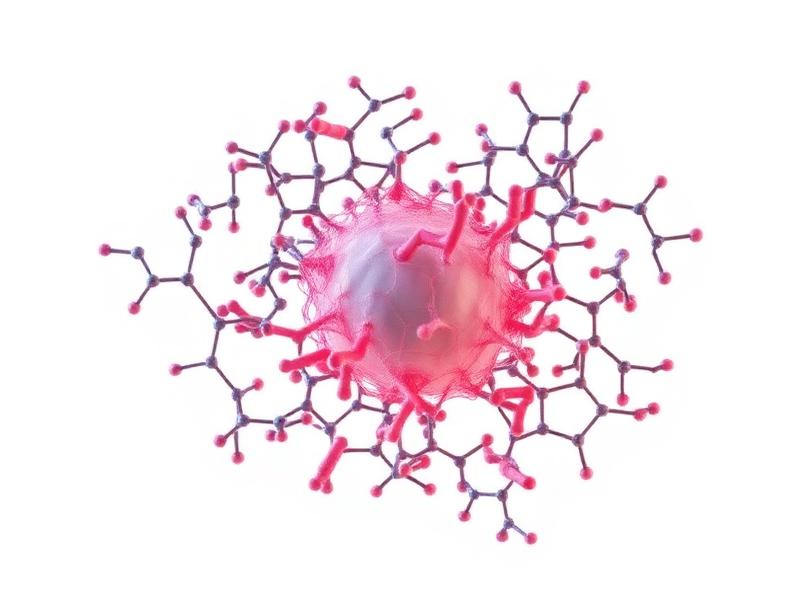
Cerebrolysin is a unique neurotrophic peptide preparation derived from porcine brain tissue through a proprietary enzymatic breakdown process. This complex mixture consists of approximately 25% low molecular weight peptides (up to 10 kDa) and 75% free amino acids, designed to mimic the action of endogenous neurotrophic factors that support neuronal survival, growth, and plasticity.
Developed by EVER Neuro Pharma (formerly Ebewe Pharmaceuticals) in Austria, Cerebrolysin has been used clinically in over 50 countries worldwide, primarily in Europe, Asia, and South America, for the treatment of stroke, traumatic brain injury, and dementia including Alzheimer's disease. While not approved in the United States, it represents one of the most extensively studied neuroprotective compounds globally.
Neurotrophic Concept
The rationale behind Cerebrolysin is based on the neurotrophic hypothesis - the concept that brain-derived growth factors are essential for neuronal survival, differentiation, and synaptic plasticity throughout life, and that supplementing these factors may protect against neurodegeneration and promote recovery from brain injury. Unlike single-molecule drugs, Cerebrolysin provides a complex mixture of bioactive peptides that may act synergistically through multiple neurotrophic pathways.
The peptide fraction of Cerebrolysin contains fragments with structural and functional similarities to brain-derived neurotrophic factor (BDNF), nerve growth factor (NGF), ciliary neurotrophic factor (CNTF), and other endogenous neurotrophins, potentially allowing it to engage multiple neurotrophin receptor systems simultaneously.
Mechanism of Action
Cerebrolysin exerts its neuroprotective and neurotrophic effects through multiple interconnected mechanisms that collectively support neuronal survival, synaptic function, and brain plasticity.
Neurotrophic Signaling
The peptide mixture activates neurotrophin receptor signaling pathways, particularly TrkA and TrkB receptors that mediate the effects of NGF and BDNF respectively. Activation of these receptors triggers intracellular cascades including the PI3K/Akt survival pathway, the MAPK/ERK pathway involved in synaptic plasticity and gene expression, and the PLCγ pathway affecting calcium signaling and neurotransmission.
Anti-Apoptotic Effects
Cerebrolysin protects neurons from programmed cell death (apoptosis) through multiple mechanisms: upregulation of anti-apoptotic proteins such as Bcl-2 and Bcl-xL, downregulation of pro-apoptotic proteins including Bax and caspases, protection of mitochondrial membrane integrity and prevention of cytochrome c release, and reduction of oxidative stress and free radical damage that trigger apoptotic cascades.
Synaptic Plasticity Enhancement
The compound enhances synaptic function and plasticity by promoting synaptogenesis (formation of new synaptic connections), increasing dendritic branching and spine density, modulating long-term potentiation (LTP) - the cellular mechanism underlying learning and memory, enhancing neurotransmitter release and receptor sensitivity, and supporting axonal growth and regeneration.
Neuroinflammation Modulation
Cerebrolysin modulates neuroinflammatory responses by reducing microglial activation and pro-inflammatory cytokine production (IL-1β, IL-6, TNF-α), promoting anti-inflammatory responses, and protecting against excitotoxic damage from excessive glutamate release - a major contributor to neuronal death in stroke and brain injury.
Metabolic Support
The peptide mixture supports neuronal energy metabolism by enhancing glucose utilization, protecting mitochondrial function, improving cerebral blood flow and oxygen delivery, and reducing the metabolic consequences of ischemia and hypoxia.
Research Findings
Cerebrolysin has been the subject of extensive preclinical and clinical research spanning several decades, with hundreds of published studies examining its effects in various neurological conditions.
Stroke Research
Multiple clinical trials have evaluated Cerebrolysin in acute ischemic stroke. A Cochrane systematic review identified several randomized controlled trials, with some studies showing improvements in functional outcomes and neurological recovery when Cerebrolysin was administered in the acute post-stroke period. The CASTA trial (Cerebrolysin Acute Stroke Treatment in Asia) enrolled over 1,000 patients and found trends toward improved outcomes, though the primary endpoint did not reach statistical significance.
Preclinical stroke research has demonstrated that Cerebrolysin reduces infarct volume in animal models of cerebral ischemia, protects penumbral tissue (the at-risk zone surrounding the stroke core), promotes angiogenesis and neurogenesis in damaged brain regions, and enhances functional recovery after experimental stroke.
Traumatic Brain Injury (TBI)
Studies in traumatic brain injury have shown cognitive improvements and enhanced recovery in patients receiving Cerebrolysin compared to placebo. Research in animal TBI models demonstrates reduced brain edema and secondary injury, protection of the blood-brain barrier, decreased neuroinflammation and oxidative damage, and improved cognitive and motor outcomes.
Alzheimer's Disease and Dementia
Clinical trials in Alzheimer's disease have shown modest but consistent improvements in cognitive function, particularly in attention, memory, and global clinical impression scores. A meta-analysis of Cerebrolysin trials in dementia found statistically significant benefits compared to placebo on cognitive measures. The peptide's ability to engage neurotrophic pathways relevant to Alzheimer's pathology (BDNF signaling, synaptic plasticity) provides mechanistic rationale for these findings.
Other Neurological Applications
Research has also explored Cerebrolysin's potential benefits in vascular dementia, diabetic neuropathy, Parkinson's disease, and pediatric neurodevelopmental conditions, with varying degrees of evidence.
Research Applications
- Stroke recovery and neuroprotection research
- Traumatic brain injury rehabilitation studies
- Alzheimer's disease and dementia research
- Cognitive enhancement and nootropic studies
- Neurotrophic factor signaling research
- Synaptic plasticity and neuroplasticity studies
- Neuroregeneration and neurogenesis research
- Vascular dementia and cerebrovascular disease studies
- Neuroprotection mechanism research
- Brain injury recovery optimization studies
Safety Profile
Cerebrolysin has an extensive safety record from decades of clinical use in over 50 countries and numerous clinical trials involving thousands of patients. The overall safety profile is favorable, with most adverse events being mild and transient.
Common Adverse Effects
The most frequently reported side effects include injection site reactions (as Cerebrolysin is administered intravenously or intramuscularly), headache, dizziness, and mild gastrointestinal symptoms such as nausea. These effects are typically self-limiting and rarely require discontinuation of treatment.
Allergic Reactions
As a porcine-derived biological product, there is a theoretical risk of allergic or hypersensitivity reactions, though serious allergic events are rare in clinical practice. Patients with known pork allergies should avoid Cerebrolysin. Mild allergic symptoms such as skin rash or pruritus have been occasionally reported.
Clinical Trial Safety Data
Systematic reviews and meta-analyses of Cerebrolysin clinical trials have not identified significant safety concerns compared to placebo. The Cochrane review of Cerebrolysin in acute stroke noted that adverse event rates were similar between treatment and control groups. Long-term safety data from extended treatment protocols appears reassuring.
Regulatory Considerations
Cerebrolysin is approved for clinical use in many countries but not in the United States, where the FDA has not granted marketing authorization. This reflects differences in regulatory requirements rather than specific safety concerns. The product is manufactured under pharmaceutical GMP standards by EVER Neuro Pharma.
As with any biologically-derived product, quality control, proper storage, and administration by qualified healthcare providers are essential for safe use. Cerebrolysin should not be mixed with balanced amino acid solutions due to potential incompatibilities.
Scientific References
Customer Reviews
No reviews yet. Be the first to review this product!
Please sign in to write a review.
Research Use Only
This product is intended for research purposes only and is not for human consumption, therapeutic use, or diagnostic applications. Please ensure compliance with all applicable regulations and institutional guidelines.