
5MG
Buy 3+ for $76.00 each and save 5%
Buy 5+ for $72.00 each and save 10%
Buy 10+ for $68.00 each and save 15%
This product is for research purposes only. Not for human consumption.
Purity: >98% (HPLC verified)
Formulation: Lyophilized powder
Molecular Formula: C78H123N23O23S2
Molecular Weight: 1815.1 g/mol
CAS Number: 221231-10-3
PubChem CID: 71300630
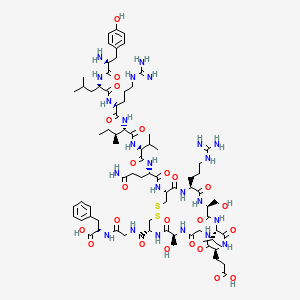
AOD9604
Overview
This material is provided for controlled laboratory research and analytical characterization only.
Mechanism of Action
The mechanisms of action for AOD9604 are not fully characterized but are thought to involve the stimulation of lipolysis and inhibition of lipogenesis in adipose tissue through pathways independent of the classical growth hormone receptor.
Lipolysis Stimulation
The peptide has been shown in some models to stimulate lipolysis, the breakdown of triglycerides stored in adipocytes. This effect may be mediated through the β3-adrenergic receptor, a G-protein coupled receptor. Activation of this receptor can stimulate adenylyl cyclase to increase intracellular cAMP levels.
Elevated cAMP activates protein kinase A (PKA), which in turn can phosphorylate and activate hormone-sensitive lipase (HSL) and other lipases responsible for hydrolyzing triglycerides. The β3-adrenergic receptor is abundant in adipose tissue and is a key regulator of lipolysis and thermogenesis.
Lipogenesis Inhibition
In addition to stimulating fat breakdown, some studies suggest that AOD9604 may inhibit lipogenesis, the synthesis of new fatty acids and triglycerides. An increase in the rate of fat breakdown while decreasing the rate of new fat formation could result in a net catabolic effect on adipose tissue stores in research models.
Tissue Specificity and Metabolic Effects
Studies have suggested these metabolic effects may be specific to adipose tissue, as similar effects on muscle protein metabolism or bone growth have not been reported. The peptide does not appear to significantly affect glucose metabolism; AOD9604 has been reported to have a neutral effect on insulin sensitivity in some studies.
The peptide also does not appear to stimulate IGF-1 production. Some research suggests the peptide may influence fatty acid oxidation in peripheral tissues, potentially through AMPK activation or other metabolic signaling pathways, though this requires further validation.
In some studies, the observed actions of AOD9604 have included a reduction of adipose tissue mass without the hyperglycemic, insulin-desensitizing, or growth-promoting effects associated with full-length growth hormone.
Research Findings
Published nonclinical literature relevant to this material's molecular targets and experimental models is listed below for independent review. Findings involving other preparations or experimental systems should not be attributed to this research material.
Research Applications
- Lipolysis and lipogenesis assays
- Adipocyte metabolism studies
- Metabolic pathway investigation
- β3-adrenergic receptor signaling research
Laboratory Handling & Limitations
This material is supplied solely for in vitro and other nonclinical laboratory research. It is not for human or veterinary use, consumption, administration, therapeutic use, or diagnostic use.
Laboratory Handling
Handle only in an appropriately equipped laboratory using applicable institutional procedures, personal protective equipment, and the storage conditions shown for the material. The purchaser is responsible for study design, handling controls, disposal, and regulatory compliance.
Research Limitations
Published observations involving other preparations, experimental systems, or study populations do not establish the identity, performance, or suitability of this research material for any particular experiment.
Scientific References
Research Use Only
This product is intended for research purposes only and is not for human consumption, therapeutic use, or diagnostic applications. Please ensure compliance with all applicable regulations and institutional guidelines.